News Releases

The Best Lawyers in America® 2027 Recognizes 88 Crowe Dunlevy Attorneys; 11 Honored as Lawyer of the Year
Aug 20, 2026|
6 minute read


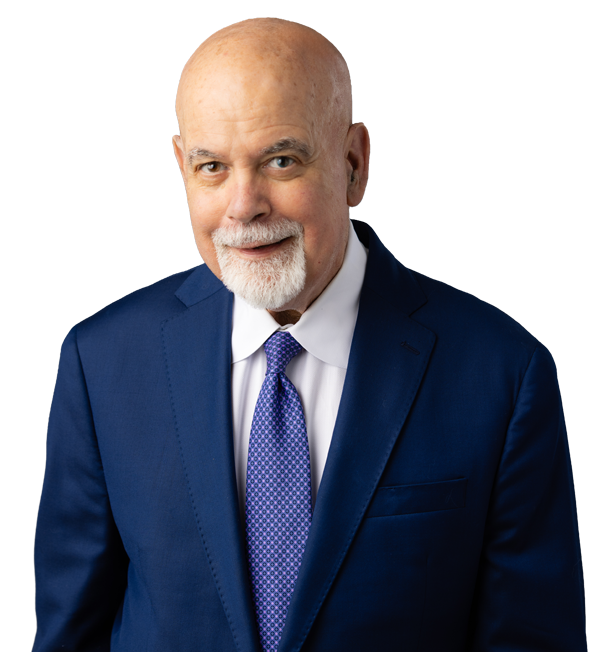

The real estate transactions I enjoy most are rarely straightforward. Markets change, financing shifts, regulations evolve and relationships become more complicated as projects grow. Whether I am working in traditional commercial real estate, or real estate in the healthcare, hospitality or renewable energy spaces, my job is to help clients strategically plant their “stake.” I accomplish this by cutting through the complexity, focusing on what really matters and continuing to advance their business goals.
Michael Laird’s practice centers on commercial real estate transactions, but the work is really about helping clients make sound decisions when projects involve multiple parties, competing interests and changing business conditions. He represents developers, lenders, investors, contractors and other participants in commercial real estate projects, helping them structure transactions that remain workable as circumstances evolve. He is able to simplify complicated situations, help parties work through difficult relationships and create practical, incremental value that clients can see and understand.
Many of Michael’s matters extend well beyond acquiring or selling property. His work frequently combines commercial real estate with project development, commercial lending, construction, leasing and project finance, allowing him to address the legal and business issues that arise throughout a project’s life cycle. He also has experience with environmental matters that intersect with complex development and energy projects, giving him a broader perspective on how the many pieces of a transaction fit together.
Over the course of Michael’s career, commercial real estate has continually reinvented itself to keep pace as interconnected industries, capital markets and regulatory environments have changed, sometimes radically. That evolution has reinforced what he considers one of the most important qualities of a real estate lawyer: the ability to remain agile and to help clients do the same, strategically adjusting approach without ever losing sight of underlying objectives.