Firm News

Crowe Dunlevy Expands Intellectual Property Practice with New Houston Office
Aug 31, 2022|
2 minute read


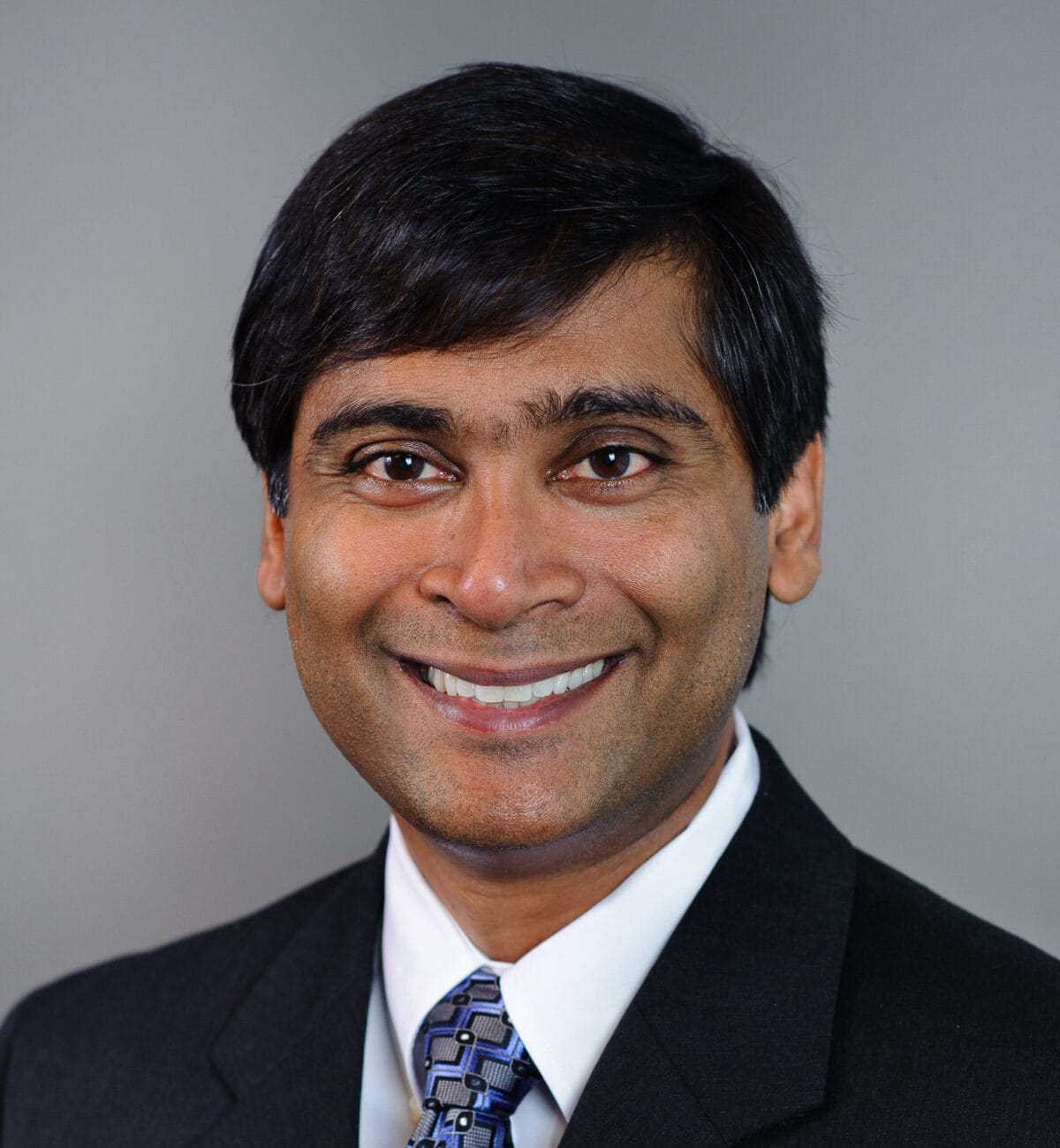
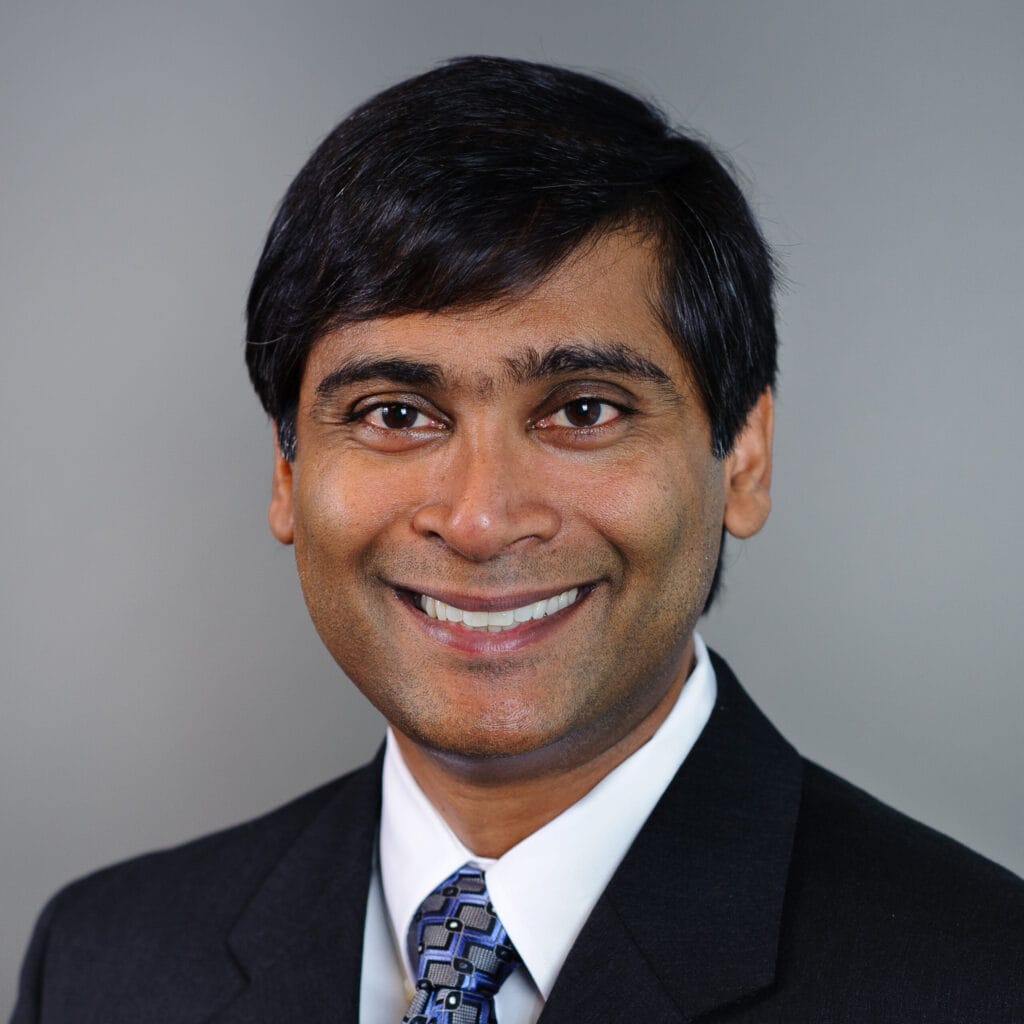
My practice focuses on patent and trademark prosecution, but much of the value I bring comes from helping clients make smart business decisions around their intellectual property: where protection makes sense, how an international portfolio might optimally be coordinated, and which approach is the best for each specific technology.
Chandran Kumar’s approach honors both his clients’ business objectives and their bottom lines. Rather than having separate counsel in every jurisdiction independently address the same examination issues, he will often develop the strongest arguments in the most strategically relevant forum and use them – along with his deep understanding of how countries typically respond to other countries’ decisions – to guide related prosecutions elsewhere. His team handles as much of the work themselves as possible, bringing in and overseeing local counsel only when a country’s rules require specific guidance. The result is a coordinated strategy that avoids having clients pay multiple overseas firms to reinvent the same wheel.
Instead of automatically filing applications for everything, Chandran guides his clients through the questions of where protection is likely to matter in a specific jurisdiction, whether an invention should be patented at all, or whether a different form of protection (e.g., as a trade secret) might make more business sense. For clients who wish to know whether they can move forward, talk to customers and have their salespeople pursue opportunities without inviting an infringement claim, he will regularly conduct a validity or infringement study. The results help him determine the best approach.
Before becoming a lawyer, Chandran held technical positions at General Dynamics, IBM and Bausch & Lomb. These experiences not only help him understand technologies but also influence the way he interacts with engineers. “I never forget they have a full-time job,” he explains, “and that time spent with me, explaining something, takes away from that. I therefore try to be deliberate about the questions I ask, avoid unnecessary legal terminology, and make it as easy as possible for engineers to understand and get us what we need.”