Firm News

102 Crowe Dunlevy Attorneys Named in The Best Lawyers in America® 2025
Aug 16, 2024|
7 minute read



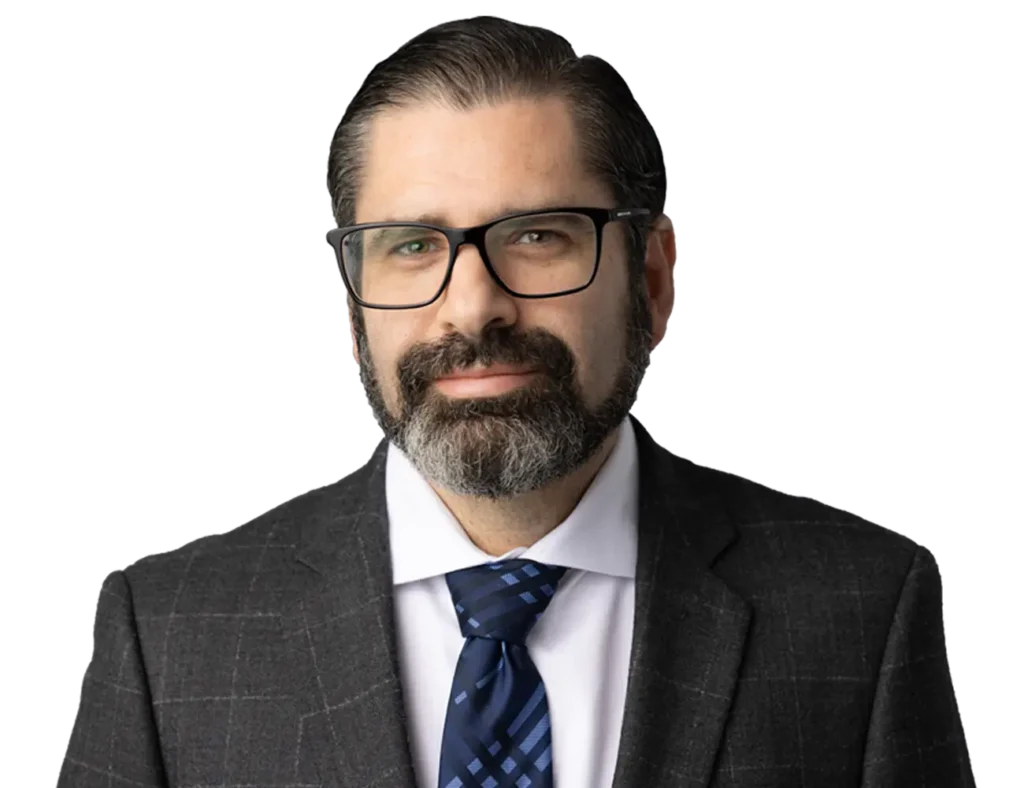
Most people see a new piece of technology and ask what it does. I ask what’s actually new about it, as that is generally what a patent can protect. Whether the technology lies in the field of semiconductors, software, oilfield services, or industrial systems, I aim to turn the answer into protection, efficiently.
Jeremy Berman has built a career focusing primarily on drafting patent applications and representing their owners during the examination of those patent applications before the U.S. Patent and Trademark Office. He represents clients ranging from emerging technology companies to multinational corporations, preparing their U.S. patent applications, managing their international patent portfolios and coordinating their protection around the world.
Jeremy has developed experience across a broad range of technologies, including semiconductor fabrication, integrated circuits, electronic devices software, wired and wireless communications, industrial automation, electromechanical systems, AI models as well as the hardware on which those models are executed, and oilfield service related technologies. He also previously served as in-house patent counsel for an oilfield services company, giving him practical insight into both the technology and the business considerations that shape IP strategy in this industry. Clients and inventors value his ability to quickly understand technology, allowing conversations to move quickly to what is inventive and how best to protect it rather than explaining underlying art and science.
Jeremy believes that patent prosecution should be as streamlined as the invention and prior art will allow. Having now drafted and prosecuted what he estimates to be thousands of patent applications, he aims to provide what is known as “compact prosecution,” working to obtain the strongest protection available through the fewest necessary interactions with the USPTO rather than prolonging examination through inefficient prosecution practices. Adding additional value, clients also work directly with Jeremy throughout the typically flat-fee prosecution process rather than having their day-to-day responsibility delegated to junior attorneys.
Jeremy’s technical knowledge leads litigation teams to seek his assistance when evaluating patent validity, infringement and claim scope. Although he does not serve as litigation counsel, he provides the technical and prosecution perspective that can be critical in assessing patent disputes. He also negotiates and drafts intellectual property agreements and advises clients on broader portfolio management as technologies and businesses evolve.